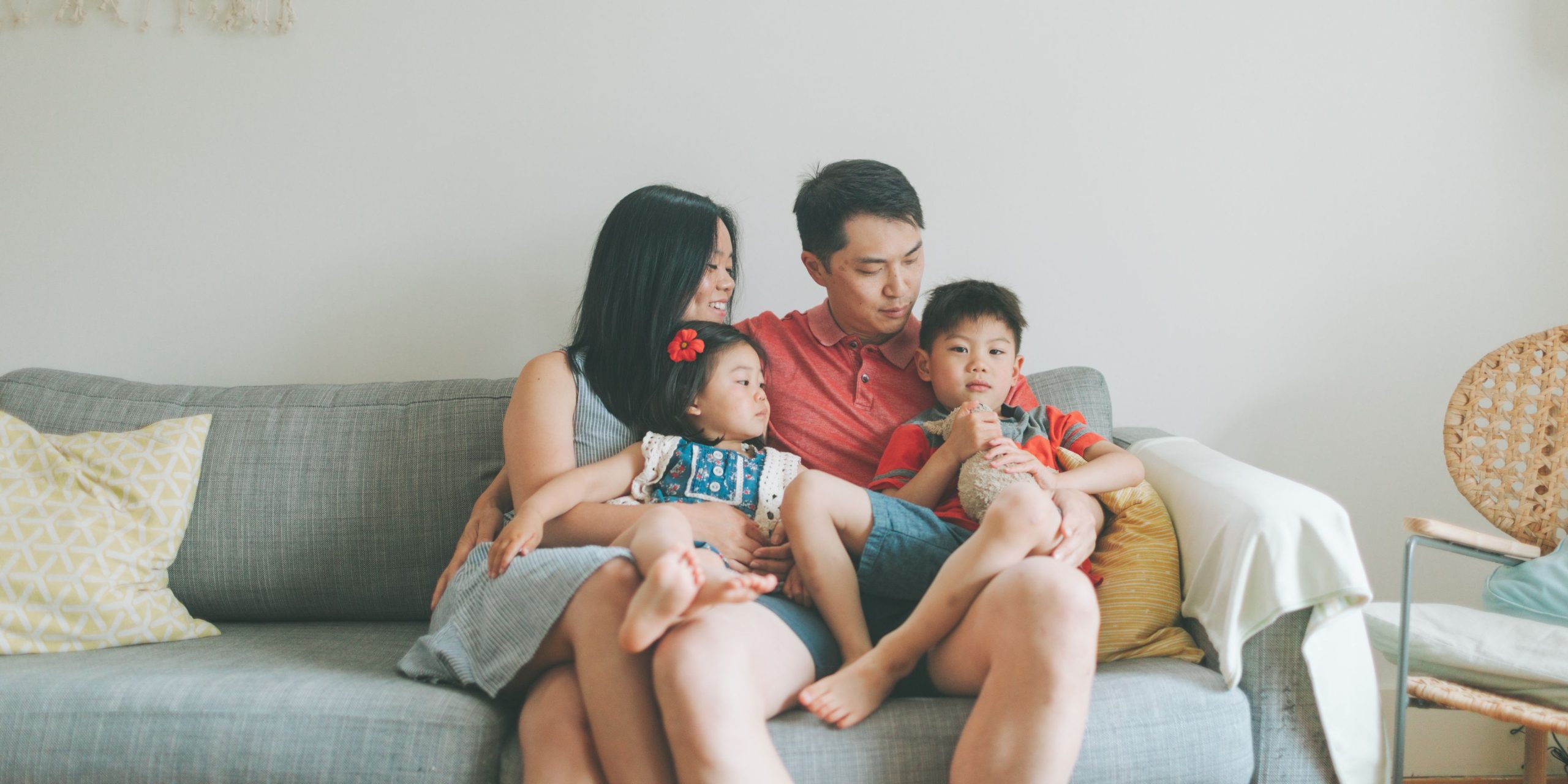



When Home Doesn’t Feel Like Home: The Emotional Side of Returning to the Philippines
For years, Maria dreamed of coming home.After nearly three decades as a nurse in Canada, she imagined retirement in the Philippines as a return to familiarity—family gatherings, Filipino food, warm weather, and the comfort of being back where she belonged. When she finally made the move, however, something unexpected happened.
She felt out of place. “I thought I was coming home,” she recalls. “But after a few months, I realized that the home I remembered no longer existed—and neither did the person who left.” Her experience is more common than many returning Filipinos realize.While much attention is given to the financial and logistical aspects of relocation, the emotional side of returning home is often overlooked. Yet for many balikbayans and former overseas Filipino workers, the greatest challenge is not finding a house or opening a bank account; it’s learning how to belong again.
The Myth of the Easy Return
Many people assume that returning home should be simple. After all, how difficult can it be to return to a place where you were born, raised, or once lived?The reality is more complicated. Years spent abroad shape people in profound ways. They influence habits, expectations, communication styles, work ethics, and even personal identities. Meanwhile, the Philippines continues to evolve. Neighborhoods change. Friends move away. Communities grow. Family dynamics shift. Entire cities transform. When returning Filipinos arrive, they often discover that both they and the country have changed. The result can be a surprising sense of disconnection.
Understanding Reverse Culture Shock
Experts refer to this phenomenon as “reverse culture shock.” Unlike traditional culture shock, which occurs when adapting to a foreign country, reverse culture shock happens when individuals return to a familiar environment that no longer feels entirely familiar.
The symptoms can include:
- Frustration with everyday systems
- Feelings of loneliness or isolation
- Difficulty reconnecting with old friends
- A sense of not fully belonging
- Comparing life in the Philippines with life abroad
- Anxiety about the future
Many returnees are caught off guard by these emotions because they expect homecoming to feel immediately comfortable. Instead, they discover that returning home can require as much adjustment as moving overseas.
When Expectations Meet Reality
One of the biggest sources of stress comes from expectations. After years abroad, many Filipinos build an idealized image of home. Memories tend to highlight the best parts of life in the Philippines: family celebrations, childhood friendships, favorite foods, and cherished traditions. The everyday frustrations are often forgotten.
Upon returning, some are surprised by traffic, bureaucracy, infrastructure challenges, or differences in professional and social environments.At the same time, family members may have expectations of their own. Relatives may assume returning Filipinos are financially comfortable or available to help with family responsibilities. Friends may expect relationships to pick up exactly where they left off. Navigating these expectations requires patience and open communication.
Feeling Like a Stranger in Your Own Country
Perhaps one of the most difficult emotions for returning Filipinos is the feeling of being an outsider in a place that is supposed to be home. Some discover that their accents have changed. Others realize that their perspectives differ from those of family members who never left. Conversations may feel unfamiliar. Social norms may have shifted. References that once felt natural may no longer resonate in the same way.
For some, this creates a sense of being caught between worlds—not fully belonging abroad anymore but not feeling completely at home in the Philippines either. Yet this experience does not mean the decision to return was a mistake. It simply reflects the reality that identity evolves over time.
Rebuilding a Sense of Belonging
The good news is that most returnees eventually find their footing. The key is recognizing that belonging is not automatic. It is something that must be rebuilt.
Experts and returnees alike recommend:
- Give Yourself Time. Adjustment takes months, not weeks. Allow yourself to experience mixed emotions without judgment. Excitement and uncertainty can coexist.
- Build New Routines. Create structure in your daily life. Join community groups, explore local activities, and establish habits that help you feel grounded.
- Reconnect Intentionally. Relationships often need time to grow again. Rather than expecting instant closeness, invest in rebuilding connections with family and friends.
- Find Your Community. Many returning Filipinos benefit from connecting with others who have gone through similar experiences. Shared stories can provide reassurance and perspective.
- Focus on the Reasons You Returned. Whenever challenges arise, remind yourself why you chose to come home. Whether it was family, quality of life, purpose, or a desire for a new beginning, keeping those motivations in mind can help provide clarity during difficult moments.
A New Relationship with Home
Perhaps the most important realization is that coming home does not mean returning to the past. The Philippines of today is not the Philippines you left years ago. And you are not the same person who boarded that plane. Homecoming is not about recreating what once was. It is about building something new.
For many returning Filipinos, the journey ultimately becomes less about returning to a place and more about rediscovering where they belong. Over time, the unfamiliar becomes familiar again. New routines take shape. New friendships emerge. New opportunities unfold. And slowly, what once felt like a foreign place begins to feel like home once more.
Not because nothing has changed. But because you have learned to embrace the changes—and create a new life within them.
How Great Design Builds Trust
Benefits of Having a Mobile-Friendly Website
The Importance of Digital Marketing