


Why Filipinos Are Coming Home for Good
For generations, the Filipino story has been one of departure. Driven by dreams of better opportunities, millions of Filipinos left home to work, study, and build lives abroad. They became nurses in North America, engineers in the Middle East, caregivers in Europe, entrepreneurs in Asia, and professionals in nearly every corner of the world.
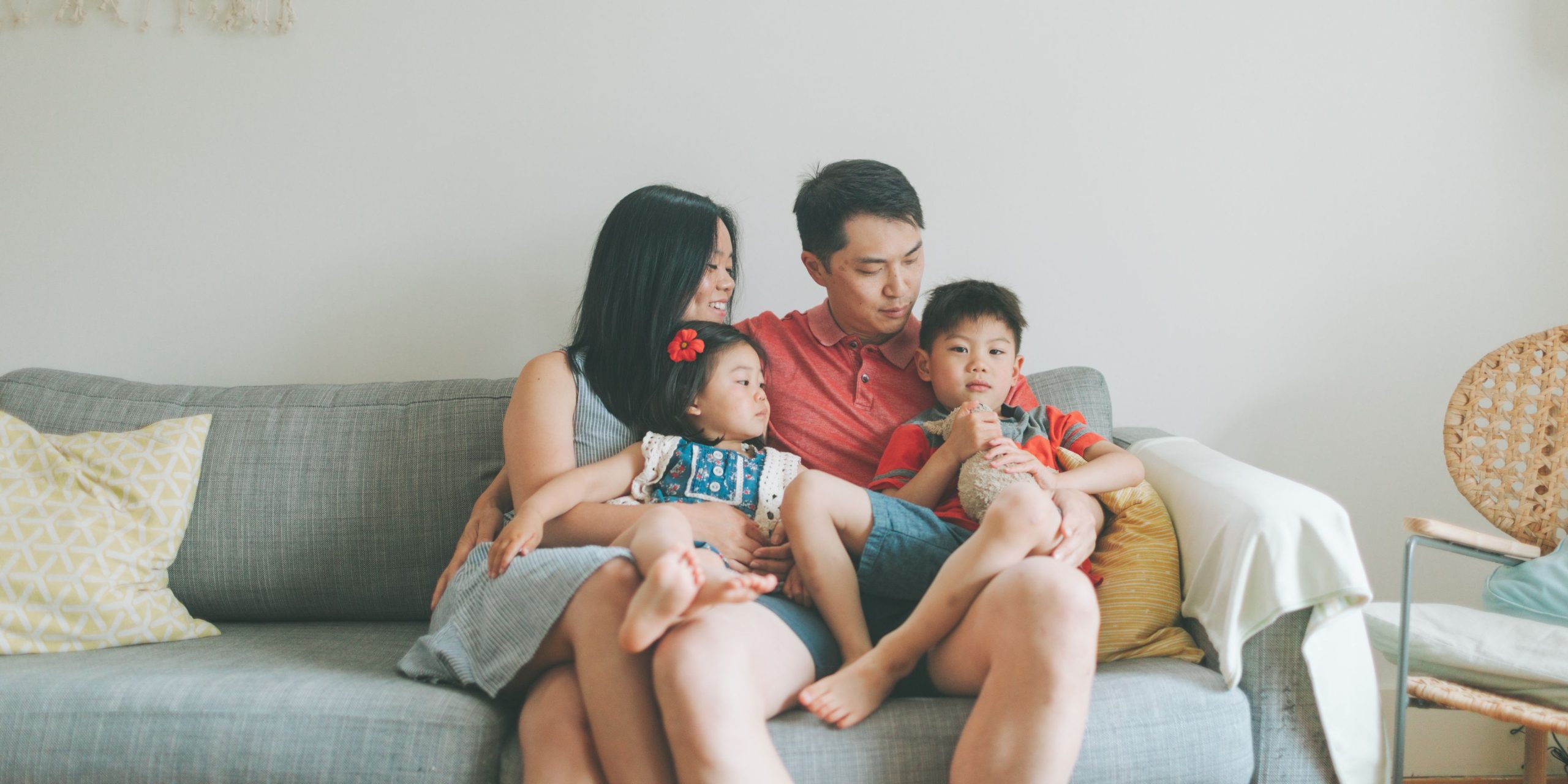
For decades, leaving the Philippines was viewed as the pathway to a better future. But today, another story is emerging. More Filipinos are choosing to come home—not for a vacation, not for a brief visit, but for good. After years, and sometimes decades, of living overseas, they are returning to the Philippines to retire, start businesses, reconnect with family, pursue long-postponed dreams, or simply rediscover a sense of belonging. The journey that once led them away is now bringing them back.
A Different Kind of Success
For many overseas Filipinos, success was once measured by career advancement, financial security, and the ability to provide for loved ones back home.Years of sacrifice often paid off. Homes were built. Children graduated from university. Savings grew. Careers flourished. But somewhere along the way, priorities began to shift.
Many returning Filipinos speak not only about financial goals, but about quality of life. They want to be closer to aging parents. They want their children to know their roots. They want to spend more time with family and less time navigating the demands of life abroad. After achieving professional success overseas, many begin asking a different question: What comes next? For a growing number, the answer is the Philippines.
The Pull of Home
Migration experts have long observed that despite years abroad, many Filipinos maintain strong emotional, cultural, and family ties to their homeland. According to the Migration Policy Institute, more than 10 million Filipinos live or work overseas, making migration a defining feature of modern Philippine society. Yet even as migration continues, return and reintegration have become increasingly important parts of the migration story.
For many Filipinos, the desire to return home never truly disappears. Home remains the place where family histories are rooted, where lifelong friendships endure, and where familiar traditions continue to provide comfort and meaning. For some, the decision to return is prompted by life events—a parent’s illness, the birth of grandchildren, retirement, or simply a growing desire to spend more time with loved ones. Others describe a realization that while they had built successful lives abroad, they still envisioned their future in the Philippines, their home.
The Pandemic Changed Perspectives
The COVID-19 pandemic became a turning point for many overseas Filipinos. Travel restrictions, lockdowns, and border closures underscored the realities of living far from family during times of crisis. Many experienced months of uncertainty and separation from loved ones. The pandemic also triggered one of the largest return movements in Philippine migration history.
According to World Bank and government data, more than one million overseas Filipino workers returned to the Philippines between 2020 and 2022 as global economies slowed and international mobility was disrupted. For some, the return was unexpected. For others, it accelerated plans that had already been taking shape. The experience prompted many Filipinos to reassess what mattered most and where they wanted to spend the next chapter of their lives.
Seeing New Opportunities at Home
The Philippines that many overseas Filipinos left years ago is not the same country they are returning to today. New business districts have emerged. Infrastructure has improved. Digital technology has transformed the way people work, communicate, and access services. Outside Metro Manila, cities such as Cebu, Iloilo, Davao, and Dumaguete have become increasingly attractive destinations for returning Filipinos seeking a balance between opportunity and quality of life.
Many returnees are using the skills, knowledge, and global perspectives they gained abroad to build businesses, invest in property, support local communities, or pursue second careers. Others are embracing entrepreneurship, seeing opportunities in tourism, agriculture, technology, education, and healthcare. Rather than viewing the Philippines as a place to retire, they see it as a place to build.
More Than a Return
Yet coming home is not always easy. Returning Filipinos often discover that both they and the country have changed. Friends have moved away. Neighborhoods look different. Social norms may have shifted. Rebuilding networks and adjusting expectations can take time. Migration specialists refer to this as “reverse culture shock,” the realization that returning home can be as much an adjustment as moving abroad in the first place.
But many who have made the transition say the rewards outweigh the challenges. They speak of being present for family milestones, reconnecting with their communities, contributing to local development, and finding renewed purpose.
Choosing the Philippines
At its heart, the decision to come home is deeply personal. No two journeys are exactly alike. Some return after five years abroad. Others after 30. Some come back to retire. Others come back to launch new ventures, pursue passions, or make a difference in their communities. What unites them is a shared decision: to choose the Philippines once again.
In a world where mobility has become easier than ever, that choice is increasingly significant. For many Filipinos, coming home is not a retreat from opportunity. It is an opportunity in itself. And for those beginning this next chapter, the journey home may be the most meaningful journey of all.
How Great Design Builds Trust

Benefits of Having a Mobile-Friendly Website

The Importance of Digital Marketing